Hello, I am the IMDEEG support assistant. Ask me anything about our programs, services, or contacts.
08:39 PM

Loading Digital Economy Portal
Ask about our digital programs and services.
Try one of these prompts:
The surge in investment reflects the momentum of the State's digital transformation agenda, driven by the Ministry of Digital Economy and E-Governance under the administration of Governor Hope Uzodimma, and signals growing confidence among investors in the State's technology-led development strategy.
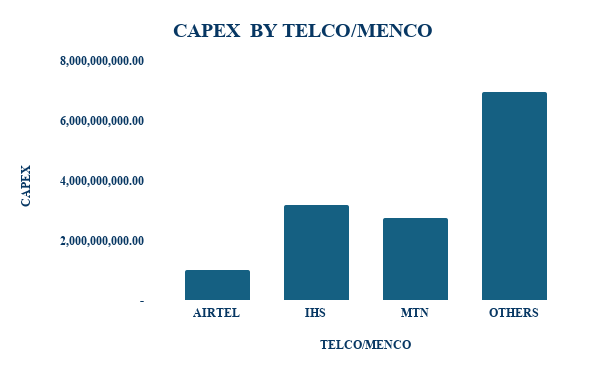
According to the Ministry's most recent infrastructure audit and project-tracking records, dated July 2026, approximately ₦13.96 billion in verified capital expenditure has been committed to fibre-optic network deployment across the State. The figure represents almost double the original investment benchmark of ₦7 billion that had been projected, underscoring the pace at which Imo has emerged as an attractive site for telecommunications infrastructure spending.
The expansion has been driven by major telecommunications operators, including MTN, Bayobab, Airtel and IHS, working alongside specialised infrastructure firms such as ATC, Momentum Africa, Global Independent Connect and JUS Partners. Collectively, these companies have laid more than 756 kilometres of high-capacity fibre-optic cable across commercial, residential and industrial corridors throughout the State.
Commissioner for Digital Economy and E-Governance, Dr Chimezie Amadi, described the milestone as evidence of the State's long-term positioning for competitiveness in the digital economy. He said the government was deliberately constructing a future-ready digital ecosystem to support innovation, entrepreneurship and inclusive growth, crediting the leadership of Governor Uzodimma with creating conditions that continue to draw strategic infrastructure investment into the State.
Industry observers attribute Imo's growing appeal to a combination of factors, including a youthful and increasingly technology-literate population, rapid urbanisation, and government policies designed to encourage innovation and private-sector participation in digital infrastructure. The scale of investment recorded so far, coupled with sustained collaboration with leading network operators, has reinforced perceptions of the State as a viable long-term market for broadband expansion.
Beyond the physical rollout of infrastructure, officials say the State's wider digital transformation programme is already producing measurable outcomes. E-government initiatives are said to be improving the efficiency of public service delivery and strengthening the business environment for investors and entrepreneurs operating within the State. In the private sector, property developers have begun integrating fibre-to-the-home connectivity into new housing developments, while businesses are reporting improved access to digital services and broader markets that depend on reliable broadband connectivity.
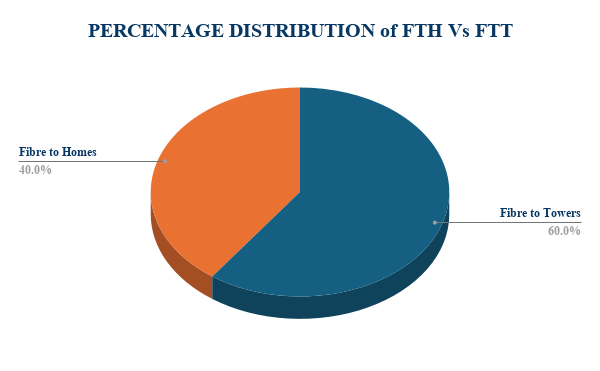
Despite the scale of progress recorded, the Ministry's data indicates that a significant proportion of the State, estimated at around 40 per cent, remains underserved by high-speed broadband infrastructure. This gap is concentrated largely in semi-urban communities, industrial clusters, agricultural corridors and emerging economic zones, all of which present further opportunities for network operators, infrastructure developers and technology firms seeking entry into the market.
With core infrastructure already established in several parts of the State, prospective investors are positioned to benefit from comparatively lower deployment costs and faster market entry than would typically be available in less developed markets. This has strengthened Imo's standing as a target destination for last-mile connectivity providers, rural broadband operators, data centre developers and technology firms looking to expand their presence within Nigeria's digital economy.
Dr Amadi reiterated the State Government's commitment to deepening its collaboration with private industry, noting that considerable opportunities remained despite the progress already achieved. He said the government welcomed investors, development partners and industry stakeholders to participate in extending broadband access to underserved communities as the State moves into the next phase of its digital economic growth.
As infrastructure development continues, Imo State is steadily positioning itself as a regional hub for technology, innovation and digital enterprise. With nearly ₦14 billion already channelled into broadband infrastructure and a government actively courting private-sector participation, the State is emerging as a notable investment destination for organisations seeking a foothold in Nigeria's expanding digital economy.
Discover our vision for an inclusive, empowered, and connected state.